If you run a manufacturing business, you already know how complicated daily operations can get. Raw materials arrive, production starts, orders pile up, dispatch deadlines get closer, and customers keep asking for updates. Most businesses try to manage all this using spreadsheets, WhatsApp messages, phone calls, and paper files. It works… until it doesn’t.
That’s exactly where enterprise resource planning (ERP) comes in.
Let’s talk about it in simple terms.
Why Manufacturing Businesses Need ERP Today
Manufacturing is no longer just about machines and manpower. Today it’s about speed, accuracy, tracking, and decision-making.
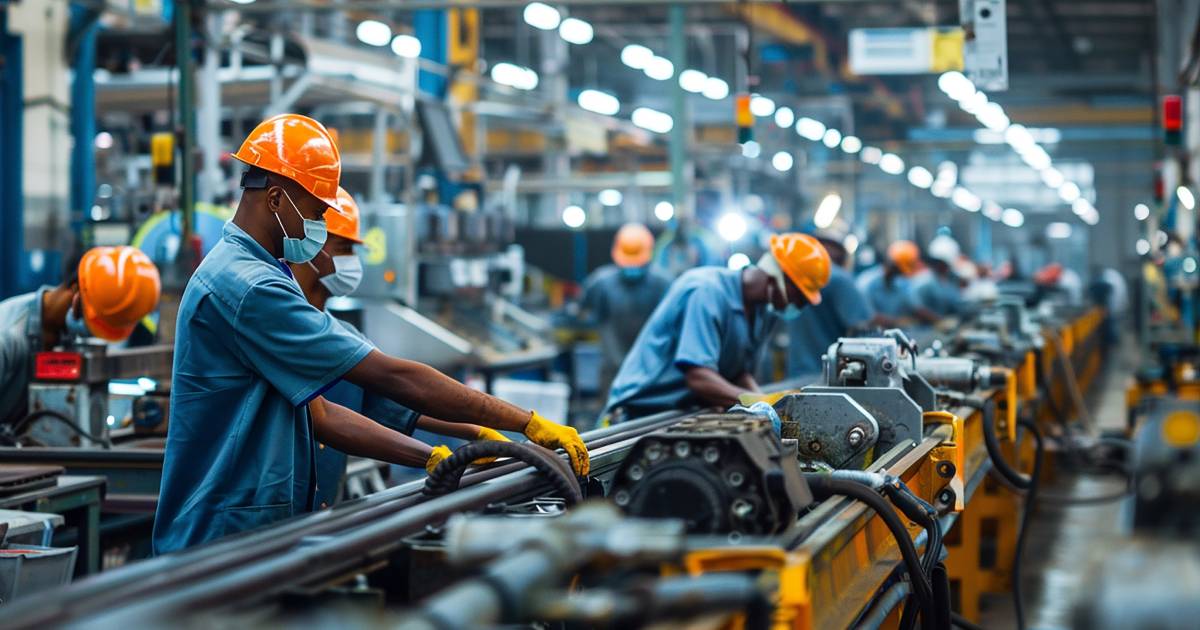
A typical day in a factory involves:
- Checking stock availability
- Managing purchase orders
- Handling sales enquiries
- Planning production
- Dispatching finished goods
- Managing employees and documents
Now imagine doing all of this in different software or on paper. You waste time switching between tools, data gets lost, mistakes happen, and decision-making becomes slow.
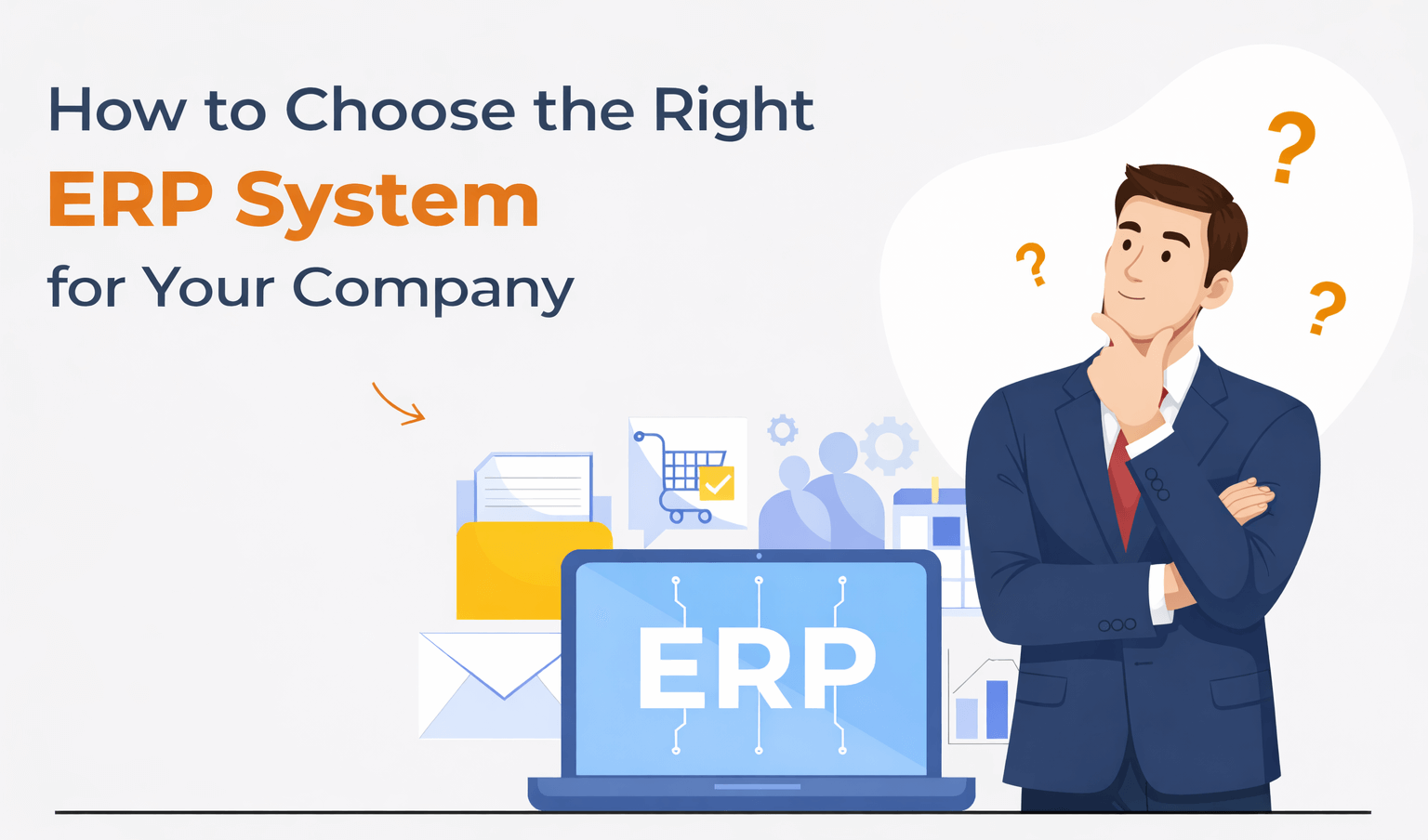
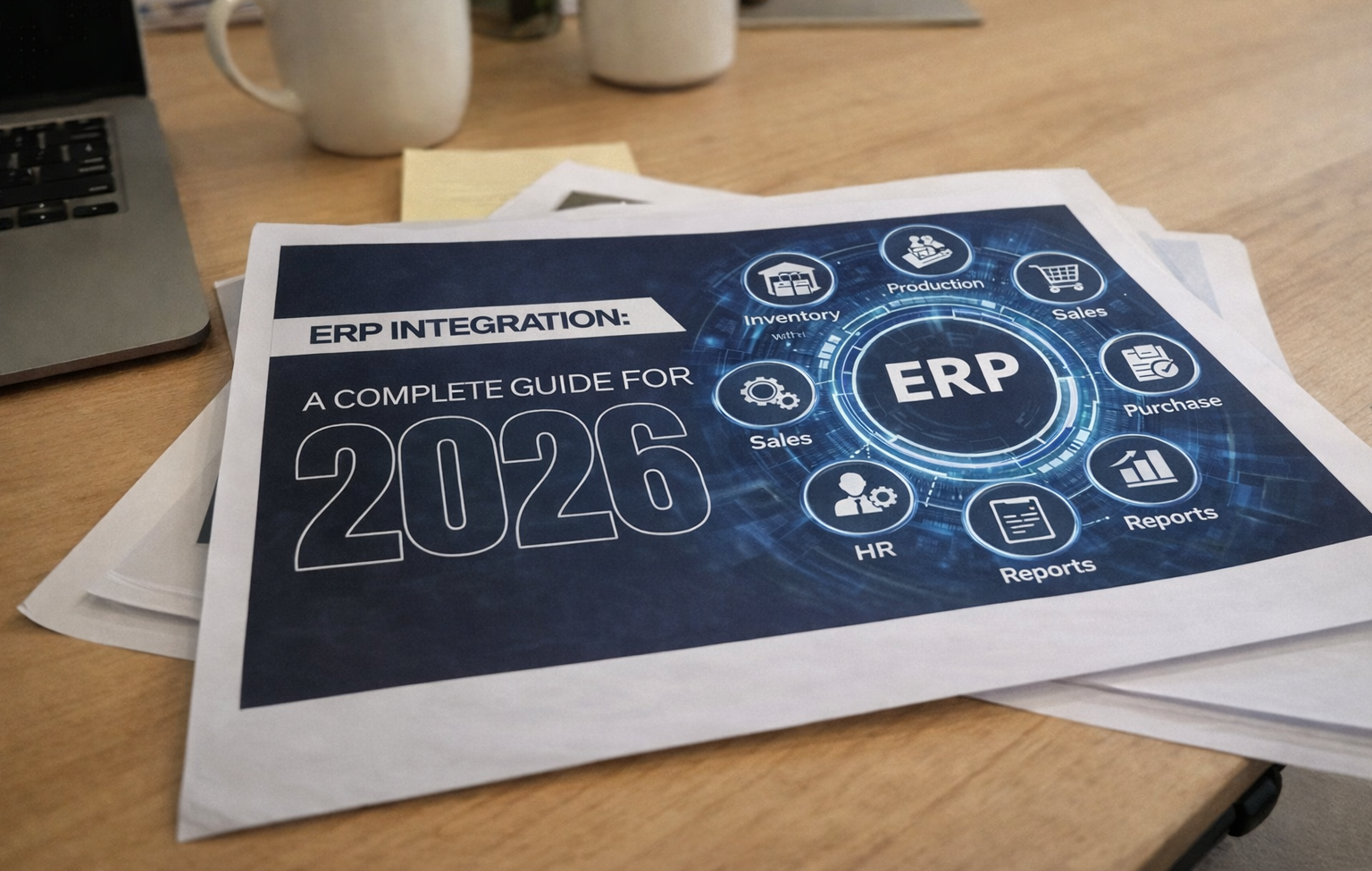
An enterprise resource planning (ERP) system solves this by bringing everything into one smart dashboard.
Instead of running behind information, information comes to you.
What Exactly Is Enterprise Resource Planning?
Enterprise resource planning is a system that helps you monitor and manage your entire business in one place.
With a good ERP, you can:
- Check stock availability instantly
- Track customer enquiries and sales orders
- Manage production and procurement
- Monitor dispatch and delivery
- View real-time reports on your mobile phone
In short, ERP helps you run your factory like a well-connected digital ecosystem.
And the best part?
You don’t need to be in the office to manage your business.
The Shift From Traditional Methods to Smart ERP
Many manufacturing businesses still rely on traditional methods:
- Paper files
- Excel sheets
- Manual registers
- Phone follow-ups
These methods create problems like:
- Data duplication
- Human errors
- Stock mismatches
- Delayed production
- Miscommunication between departments
In the modern world, everything is becoming digital and AI-driven. Businesses that don’t upgrade risk falling behind competitors who operate faster and smarter.
Using ERP is no longer a luxury.
It’s becoming a necessity.
Common Problems Faced by Manufacturing Industries
Industries like chemical, pharmaceutical and apparel manufacturing face very specific challenges.
Let’s look at the most common ones.
1. Stock Confusion and Shortages
Manufacturers often struggle with:
- Raw material shortages
- Over-stocking
- Expired products
- Missing inventory
Without real-time stock visibility, production delays become inevitable.
2. Poor Coordination Between Departments
Sales, purchase, and production teams often work separately. This leads to:
- Orders taken without checking stock
- Production started without raw materials
- Dispatch delays
ERP connects all departments so they work together.
3. Manual Production Planning
Planning production manually is slow and risky. One mistake can delay the entire production cycle.
ERP helps plan production using:
- Bill of Materials (BOM)
- Stock availability
- Pending orders
4. Lack of Real-Time Business Insights
Business owners often ask:
- What is today’s sales?
- What stock is running low?
- Which orders are pending?
Without ERP, getting this information takes hours or days.
With ERP, it takes seconds.
So, Which ERP Is Suitable for Manufacturing in 2026?
The best ERP for manufacturing must be designed specifically for manufacturing workflows.
This is where Zventory ERP comes in.
Zventory is built by understanding the real problems of manufacturing industries. Instead of forcing businesses to adjust to software, the software is designed to fit the business.
Why Zventory ERP Is Ideal for Manufacturing Businesses in 2026
1. Complete Stock Management
Zventory allows you to:
- Track raw materials with images
- View expiry and manufacturing dates
- Get low stock alerts
- Transfer stock between branches
This is extremely important for industries dealing with batches and serial numbers.
2. Multi-Branch and Multi-Location Support
Many manufacturers operate from multiple locations. Managing stock across branches manually is difficult.
Zventory provides:
- Multi-branch access
- Centralized stock monitoring
- Branch-wise stock adjustments
- Easy stock transfers
Everything stays synchronized in real time.
3. Smart Production Planning
Production becomes easier with:
- BOM generation
- Production status tracking
- Stock allocation to production
- Dispatch management
You always know what is pending, running, or completed.
4. Sales and Purchase in One System
Zventory connects your sales and purchase teams.
You can:
- Track sales enquiries
- Create quotations and sales orders
- Manage vendors and purchase orders
- Handle returns and dispatch
No more confusion between departments.
5. Document and Approval Workflow
Manufacturing involves many documents:
- Invoices
- Purchase orders
- Client files
- Project documents
Zventory provides:
- Multi-level approval system
- Document version control
- Client and project wise document storage
Everything stays organized and secure.
6. Mobile App for Real-Time Monitoring
One of the biggest advantages of modern ERP is mobility.
Zventory offers:
- Cloud web version
- Android app
- iPhone app
Business owners can check updates in just a few clicks from their mobile phone.
This means you can manage your factory from anywhere.
How ERP Reduces Cost and Saves Time
Let’s be practical.
Every business wants to reduce cost.
ERP helps by:
- Reducing manual work
- Minimizing human errors
- Avoiding stock loss and expiry
- Improving production planning
- Speeding up decision making
This directly reduces production cost and increases efficiency.
The Future of Manufacturing Is Digital
Manufacturing is changing fast. Businesses that adopt digital tools grow faster because they:
- Make better decisions
- Respond quickly to market demand
- Maintain better customer relationships
ERP is the backbone of this digital transformation.
Conclusion
So, which enterprise resource planning system is suitable for manufacturing businesses in 2026?
The answer is simple:
An ERP designed specifically for manufacturing workflows, with real-time tracking, mobile access, and multi-department integration.
Zventory ERP is built with these goals in mind. It helps manufacturing businesses move away from paperwork and step into a smarter, faster, and more efficient future.
If your factory still runs on spreadsheets and files, this might be the right time to upgrade.
Because the future of manufacturing is not just about producing more.
It’s about producing smarter.