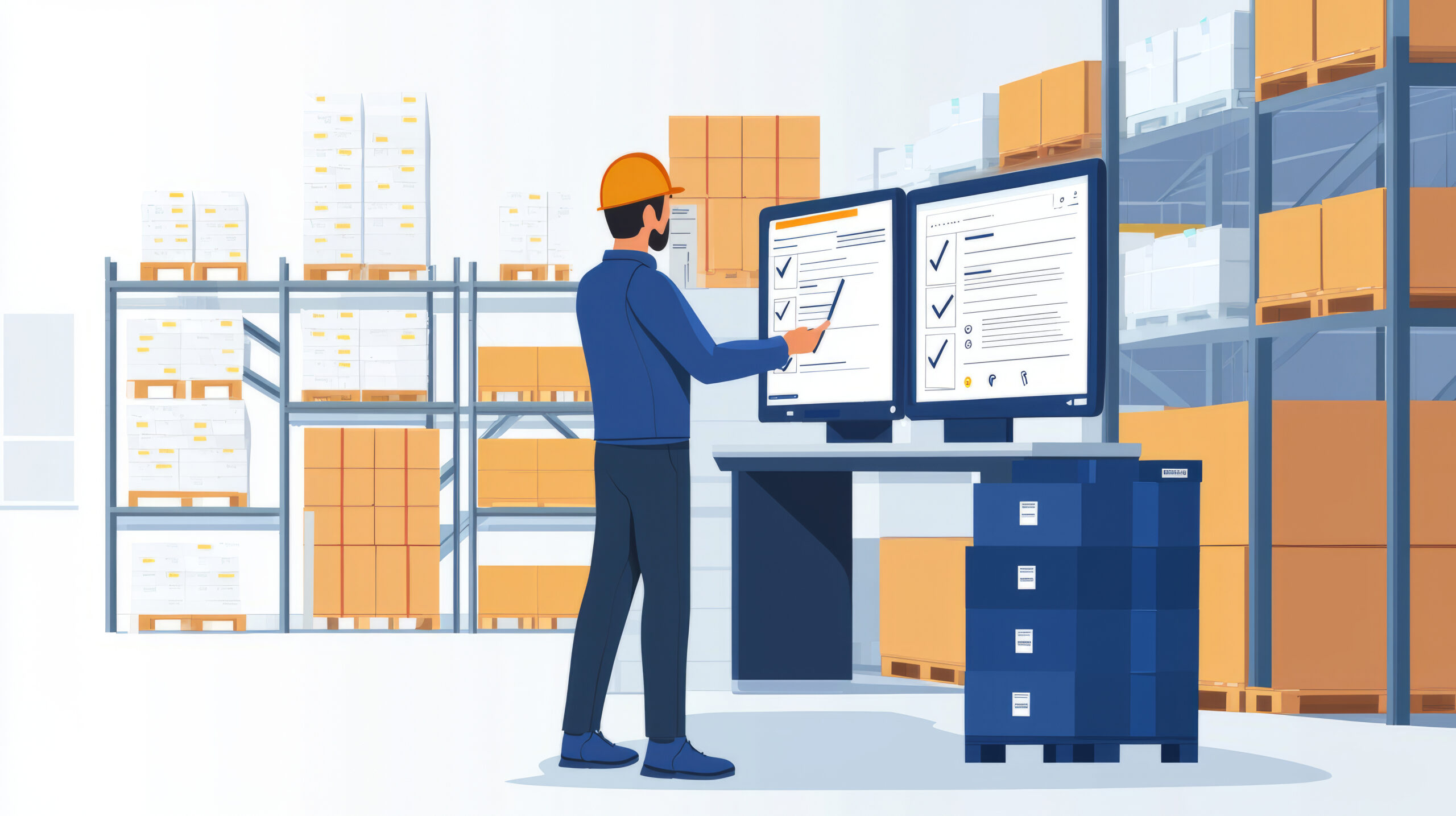
Managing inventory effectively is one of the biggest challenges for businesses that deal with raw materials, production processes or finished goods. As operations grow, tracking stock manually becomes complex and risky. This is where an Inventory Management System plays a vital role by bringing accuracy, control and visibility to inventory operations.
Understanding Inventory Management
Inventory management system is the process of planning, monitoring and controlling materials and products throughout their journey within a business. It begins with purchasing raw materials, continues through storage and production usage and ends when finished goods are delivered or sold.
The main objective is simple: ensure materials are available when needed while avoiding excess stock that increases costs. When inventory is poorly managed, businesses often face delays, wastage, production stoppages or cash flow issues. Effective inventory control creates balance, helping businesses operate smoothly without unnecessary interruptions.
Why Inventory Management Is Important
Inventory directly affects profitability, productivity and customer satisfaction. When stock levels are accurate and well-organized, businesses can plan better and respond quickly to demand changes.
One of the biggest benefits is cost control. Overstocking ties up capital and increases storage expenses, while understocking leads to missed sales and production delays. Proper inventory practices help avoid both extremes.
Another key advantage is operational efficiency. When inventory data is reliable, departments such as purchasing, production and sales can work in sync. This reduces confusion, speeds up decision-making, and minimizes manual errors.
Lastly, inventory management supports customer trust. When orders are fulfilled on time and product availability is consistent, customers are more likely to return and recommend the business.
Traditional Inventory Management vs Modern Inventory Management Systems
The Old Way
Traditionally, inventory was tracked using registers, spreadsheets, or basic software. Stock updates were done manually, often after physical verification. This approach was time-consuming and heavily dependent on human accuracy.
In such systems, data was rarely updated in real time. As a result, discrepancies between actual stock and records were common. Businesses often realized shortages or excess inventory only after problems had already occurred.
The Modern Approach
Modern inventory solutions have transformed how businesses handle stock. Automation has replaced manual entries, and inventory updates happen instantly across departments and locations.
Real-time visibility allows managers to track raw materials, production usage, and stock transfers without delays. Integration with purchasing and production ensures that inventory data supports business planning rather than slowing it down.
How Zventory Simplifies Inventory Management System
Zventory is designed for businesses that want a structured, accurate, and scalable approach to inventory control. Instead of treating inventory as a separate function, Zventory connects it directly with production and purchasing activities.
Here’s how Zventory adds value:
Raw Material Management
Zventory helps businesses maintain clear records of raw materials from the moment they enter the system. This ensures better planning for production and reduces the risk of shortages during critical operations.
Stock Allotment into Production
Allocating stock to production is often a complex task. Zventory simplifies this by allowing precise allotment of materials into production processes, ensuring optimal usage and minimizing waste.
Branch-Wise Stock Transfer
For businesses operating across multiple locations, Zventory enables smooth stock transfers between branches. This ensures balanced inventory distribution and centralized control without confusion.
Purchase Inward
When new stock arrives, Zventory updates inventory automatically. This reduces manual effort, eliminates data mismatches, and keeps records accurate from day one.
Purchase Outward
Outgoing stock—whether for production, transfer, or sales—is recorded instantly. This real-time update helps businesses maintain accurate inventory levels and plan future purchases effectively.
Why Zventory Is the Right Choice
Zventory offers a practical and reliable solution for businesses looking to move beyond outdated inventory practices. By combining automation, real-time tracking, and ERP integration, it provides complete visibility and control over inventory operations.
Instead of reacting to inventory issues after they occur, businesses using Zventory can plan ahead, reduce losses and improve efficiency across departments.
Conclusion
A well-structured Inventory Management System is essential for businesses aiming to grow sustainably in today’s competitive environment. It reduces costs, improves efficiency, and strengthens operational control.
With its focused features and ERP-driven approach, Zventory empowers businesses to manage inventory smarter—turning stock control into a strategic advantage rather than a daily challenge.